
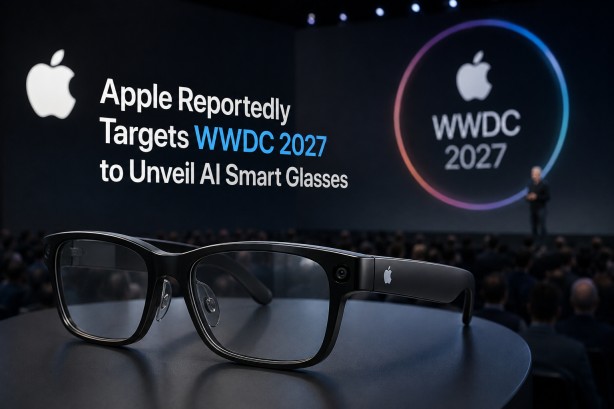
Apple is gearing up for a significant technological advancement with plans to introduce its first AI-powered smart glasses at the Worldwide Developers Conference (WWDC) in 2027. A consumer release is anticipated later that year, following an initial rollout to developers. This strategic move allows developers to create and refine applications for the device before it becomes available to the general public.
The tech giant has reportedly delayed the launch timeline, prioritizing the enhancement of privacy protections over resolving hardware challenges. Apple’s commitment to safeguarding user privacy is a central element of its strategy to win public confidence, especially for a product equipped with cameras. By emphasizing privacy, the company hopes to set its smart glasses apart from competitors in the burgeoning market for wearable technology.
Apple’s upcoming AI glasses are expected to utilize on-device artificial intelligence, minimizing the necessity of transmitting user data to the cloud. This approach aligns with the company’s decision to steer clear of contentious features such as facial recognition and perpetual environmental scanning. Furthermore, Apple is reportedly not leveraging customer recordings to train AI models, reflecting its dedication to privacy-conscious innovation.
In its pursuit of privacy-centric solutions, Apple is actively testing new hardware and software safeguards designed to protect user information. These measures are intended to reassure consumers about the potential privacy implications of smart glasses with integrated cameras. By addressing these concerns, Apple aims to present a more secure and user-friendly product.
Through a combination of privacy prioritization and advanced AI capabilities, Apple is positioning its smart glasses as a standout offering in the market. The company’s deliberate focus on user privacy as a competitive differentiator underscores its commitment to ethical technology development and consumer trust.