
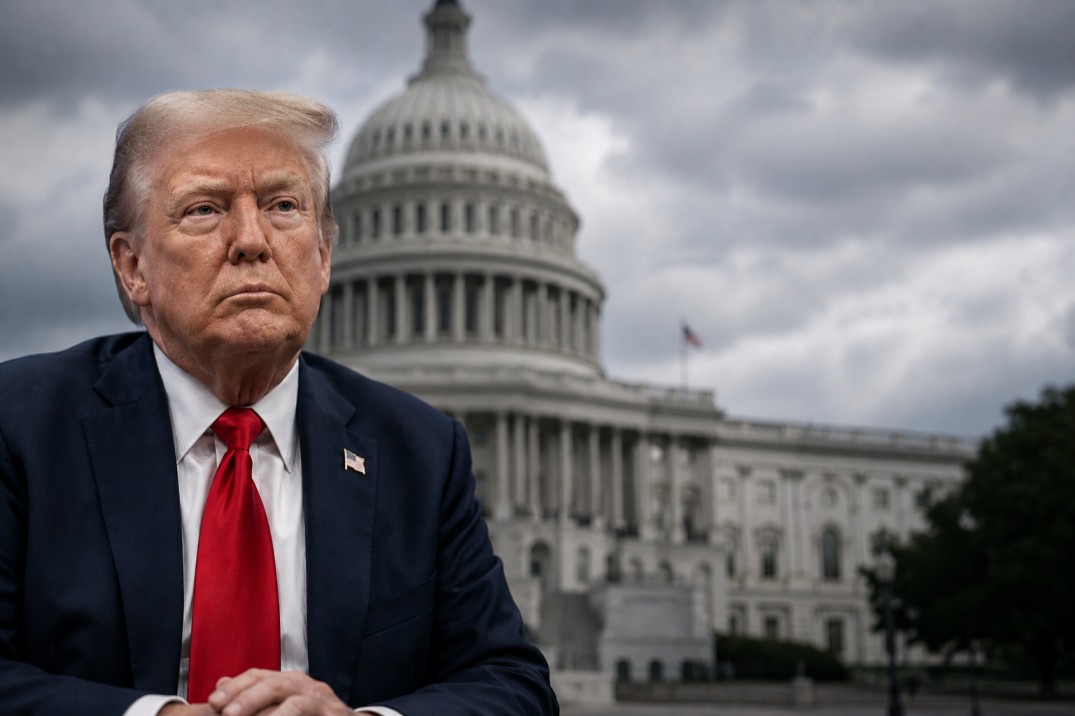
The Trump administration has intensified its focus on election integrity by dispatching letters to election officials across all 50 US states and Washington, D.C. These communications from the US Department of Justice serve as a stern warning that allowing noncitizens to register or vote in federal elections could result in criminal charges for state officials. The letters emphasize adherence to federal laws which mandate that only US citizens are eligible to participate in federal elections.
State officials have been prompted to respond within five days, outlining the steps they are taking to ensure their voter rolls are accurate and that ineligible individuals do not cast votes. This action represents a noteworthy increase in federal involvement in election administration—a domain traditionally managed by state and local agencies. The Trump administration has consistently advocated for enhanced safeguards to prevent noncitizen voting, despite a lack of evidence indicating that such voting has significantly impacted US elections.
Several state election officials have expressed criticism of the letters, arguing that they constitute unnecessary threats and exert undue pressure. Officials from Utah and Arizona, among others, have defended their current voter verification systems. They assert that their procedures already comply with both federal and state laws, ensuring that only eligible citizens are registered and able to vote.
This development underscores the ongoing debate over the balance of power in election administration between federal oversight and state autonomy. While the federal government seeks to enforce stricter measures to secure elections, state officials maintain confidence in their existing systems and question the necessity of federal intervention. The letters have sparked a dialogue on the effectiveness and appropriateness of current voter verification practices across the country.