
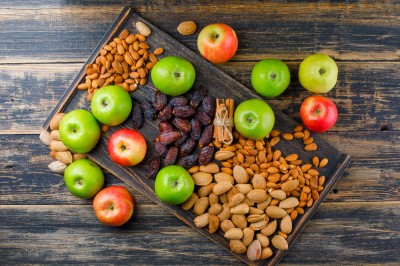
Deciding between fresh fruits and dry fruits doesn’t have to be perplexing. Both types offer significant nutritional benefits and can contribute positively to your health. The choice ultimately hinges on your specific dietary needs, lifestyle preferences, and appropriate portion sizes. By incorporating a balanced mix of both fresh and dry fruits into your daily regimen, you can enhance your overall well-being.
Fresh fruits are abundant in water, vitamin C, antioxidants, potassium, and dietary fiber. Their high water content makes them an excellent choice for hydration, particularly in hot weather. Additionally, they are beneficial for digestion, heart health, weight management, and gut health, while also serving as a refreshing, low-calorie snack option. In contrast, dry fruits, which are created by removing most of the moisture from fresh fruits, offer a concentrated source of nutrients in smaller servings. They are rich in minerals like iron, calcium, and magnesium, along with fiber and antioxidants. Nuts such as almonds and walnuts provide healthy fats and plant-based proteins, making them ideal for sustained energy and overall health.
One of the primary distinctions between fresh and dry fruits is their water content. Fresh fruits are rich in water and contain fewer calories per serving, whereas dry fruits are more calorie-dense due to the concentration of nutrients and natural sugars during the drying process. This makes portion control essential when consuming dry fruits. Fresh fruits are suitable for breakfast, mid-morning snacks, or pre-workout meals, as they deliver natural energy and hydration. On the other hand, dry fruits serve as a convenient snack, particularly before or after exercise, as they help replenish energy and maintain satiety for longer periods. Experts generally advise limiting dry fruit intake to about 30 grams per day to avoid excessive calorie consumption.
The preparation of dry fruits involves various methods such as sun drying, air drying, using dehydrators, oven drying, freeze drying, and vacuum drying. These techniques help preserve the nutritional value of the fruits while extending their shelf life. As a result, dry fruits have a longer shelf life compared to fresh fruits, which is an advantage for those seeking long-lasting snack options.
When choosing between fresh and dry fruits, it’s essential to consider your specific needs. Fresh fruits are ideal for staying hydrated, particularly during summer, and for daily healthy snacking. Dry fruits, however, are beneficial when quick energy, convenient nutrition, or a long-lasting snack is required. Consuming both in moderation ensures a balanced intake of vitamins, minerals, fiber, and antioxidants, supporting overall health.