
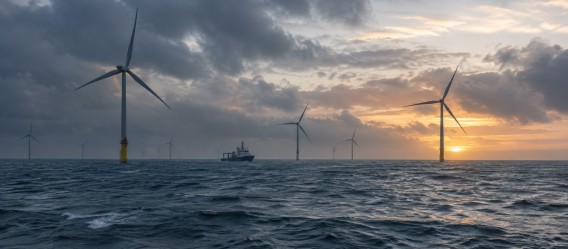
The legal battle over the future of renewable energy in the United States has intensified, as California and New York have filed lawsuits against the Trump administration’s plans to terminate offshore wind projects. The lawsuits argue that the decision to buy back offshore wind leases could significantly hamper clean-energy development and lead to increased electricity costs.
California Attorney General Rob Bonta has taken legal action following the federal government’s announcement to purchase back leases for four offshore wind projects, including one planned by Invenergy off the California coast. This move, according to Bonta, threatens the state’s efforts to transition to clean energy sources amid rising electricity demands.
Similarly, New York Attorney General Letitia James is leading a coalition of states challenging agreements that involve companies like Invenergy and Bluepoint Wind. These agreements would provide financial compensation to energy companies in exchange for halting offshore wind projects under development. James has labeled these agreements as unlawful, asserting that they undermine state-level initiatives to meet growing energy needs through renewable sources.
The Trump administration has justified these buyback agreements by pointing out that some companies are shifting their investments toward fossil fuels and other energy sources they deem more reliable. However, this policy shift has been met with resistance from states committed to renewable energy strategies, with Bonta and James emphasizing their dedication to pursuing clean-energy projects despite federal opposition.
This legal confrontation highlights the ongoing tension between the federal government and states like California and New York over the direction of the country’s energy policy, particularly concerning the development of offshore wind resources. With billions of dollars at stake, the outcome of these lawsuits could have far-reaching implications for the renewable energy sector and its role in the U.S. energy landscape.