
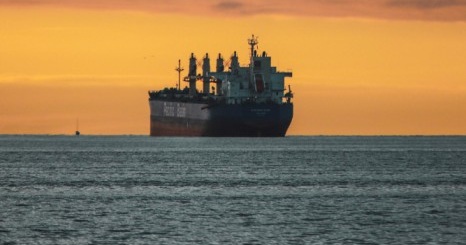
In a significant market movement, global oil prices experienced a sharp decline on Friday following US President Donald Trump’s remarks hinting at the proximity of a peace accord with Iran. This development sparked optimism for reduced tensions in the Strait of Hormuz, a vital maritime passage for oil transport. Brent crude prices, which had been around $93 per barrel earlier in the week, momentarily dropped below $85 during trading before settling in the $87–$89 range. The market’s fluctuation was driven by the mixed messages emanating from both Washington and Tehran regarding the status of the negotiations.
The initial drop in oil prices was a reflection of the market’s hope that a diplomatic agreement could potentially lead to the reopening of the Strait of Hormuz, thereby stabilizing global shipping routes for oil and gas exports. However, this optimism was tempered by subsequent uncertainties as conflicting statements emerged from both the United States and Iran. While President Trump mentioned that military action against Iran was on hold due to progress in negotiations, he also refuted claims that a deal had been finalized. Meanwhile, Iranian officials acknowledged ongoing discussions but confirmed that no final agreement had been reached.
Analysts are closely monitoring these developments, noting that oil markets are particularly sensitive to political events, with prices reacting strongly to any news of potential conflict or diplomatic progress. The volatile nature of the current situation means that market prices are subject to rapid changes based on the latest headlines. Despite this volatility, some financial experts maintain that oil prices may gradually stabilize as improvements in global supply conditions contribute to rebuilding stockpiles. Nonetheless, geopolitical risks and variable demand continue to cast uncertainty over future price forecasts.
As the world watches these high-stakes negotiations unfold, the oil market remains on edge, with traders and analysts alike keeping a close eye on any further announcements from the US and Iran. The situation underscores the complex interplay between geopolitical developments and economic markets, highlighting the broader impacts of international diplomacy on global trade and energy security. While there is hope that a peaceful resolution could lead to more stable oil prices, the path forward remains uncertain, with both opportunities and challenges lying ahead.