
As the Federal Reserve raises its benchmark interest rate by 0.25 percentage points, consumers and businesses across the United States will feel the impact through increased borrowing costs. With the rate now set between 3.75% and 4%, this marks the first hike since July 2023, reflecting the central bank’s ongoing struggle to tame persistent inflation.
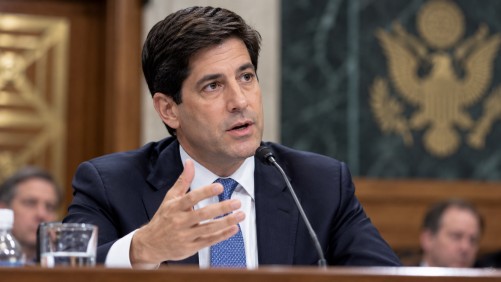
Federal Reserve Chair Kevin Warsh emphasized that inflation remains stubbornly high, with recent data showing little progress in alleviating underlying price pressures. Despite steady unemployment figures, the inflationary climate continues to erode household purchasing power and consumer sentiment, as inflation-adjusted wages show signs of weakness.
President Donald Trump has publicly advocated for reduced borrowing costs, calling for significantly lower interest rates. His stance has reignited discussions about the Federal Reserve’s autonomy in setting monetary policy, a critical factor as the central bank navigates the delicate balance of controlling inflation without stifling economic growth.
Higher energy prices are adding fuel to inflationary pressures, affecting both households and businesses. These rising costs have also contributed to volatility in the US bond market, illustrating the broader economic challenges posed by persistent inflation. The Federal Reserve’s interest rate decisions play a crucial role in managing these dynamics, as higher rates can increase the cost of mortgages, car loans, and business borrowing while aiming to curb demand and ease price pressures.
The Fed’s projections indicate the possibility of another rate hike before the year’s end, as officials anticipate that returning inflation to the 2% target will be a prolonged effort. This decision comes after a period of significant monetary tightening, with rates rising repeatedly in 2022 and 2023 to a peak of 5.25%-5.5%. Subsequently, the central bank began reducing rates in 2024 and 2025, before this latest increase.