
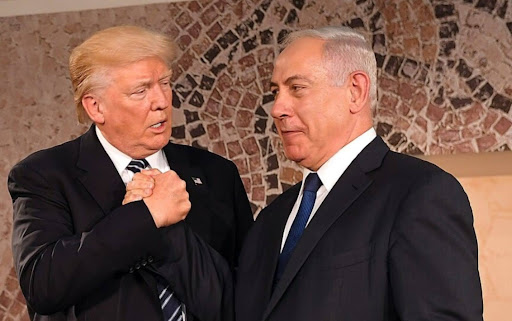
If the South Pars gas field strike is a preview of Netanyahu’s strategic behavior going forward — rather than an exceptional incident that resulted from unusual circumstances — then the implications for the Trump-Netanyahu alliance are significant. The episode demonstrated a pattern: Israeli identification of a high-value target that serves its comprehensive degradation strategy, Israeli execution against Trump’s expressed preference, American public pushback, narrow Israeli concession, continued Israeli operational freedom. If this pattern repeats, the alliance will need to manage it repeatedly, with accumulating costs.
The structural conditions that produced South Pars have not changed. Netanyahu is still pursuing a broader strategy than Trump’s nuclear-focused campaign. Netanyahu still has strong domestic support for aggressive action. The alliance still operates through coordination rather than authorization. Trump’s leverage over Israeli targeting decisions is still real but constrained. These conditions will produce future instances of Israeli action that exceeds American preferences — the question is which targets and when.
Netanyahu’s comprehensive degradation strategy implies a long list of potential future targets beyond South Pars. Iranian oil refineries, power generation facilities, financial infrastructure, port facilities, and other economic assets could all plausibly appear on Israeli targeting lists as the campaign continues. Each of these potential targets would test the same dynamic that South Pars tested — and each would require the same kind of management that the gas field episode demanded.
Director of National Intelligence Gabbard confirmed the divergence in objectives that makes this pattern predictable. Trump’s nuclear containment objective implies a specific target set; Netanyahu’s transformation objective implies a much broader one. As long as both leaders pursue their respective objectives simultaneously, the comprehensive Israeli strategy will continue to identify targets beyond the American campaign’s focus — and will occasionally strike them.
Whether the Trump-Netanyahu alliance can manage repeated South Pars-type episodes without accumulating damage that eventually becomes unmanageable is the strategic question the preview raises. Each episode imposes credibility costs, Gulf ally relationship costs, and energy market costs that cumulatively matter. Managing one episode is manageable; managing a pattern requires more fundamental alignment than has been achieved.