
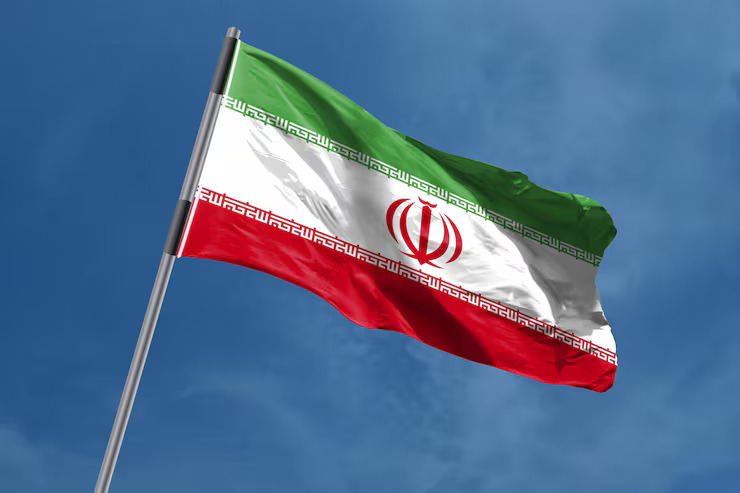
In a significant escalation of tensions in the Middle East, the United States and Iran have engaged in a series of military exchanges, raising doubts about the stability of a fragile ceasefire in the region. The US military reported intercepting four Iranian drones en route to the Strait of Hormuz and subsequently targeted Iranian coastal radar installations. These actions, according to US officials, were deemed necessary to safeguard regional maritime traffic and avert further hostilities.
In retaliation, Iran’s Revolutionary Guards launched strikes against US military installations in the Gulf. As a precaution, Kuwait and Bahrain activated air raid alerts and bolstered their security measures. US officials disclosed that Iran fired seven ballistic missiles aimed at Kuwait and Bahrain, six of which were intercepted, while the seventh failed to hit its intended target. The US military confirmed there were no casualties among American forces and refuted Iranian claims of damage to a major US naval facility in Bahrain.
This exchange of strikes occurs amid ongoing efforts to maintain and possibly extend a ceasefire agreement, while diplomatic negotiations concerning Iran’s nuclear program persist. Despite the continuation of diplomatic dialogue, the two sides remain at odds over critical issues, posing challenges to the establishment of a long-term agreement. US President Donald Trump acknowledged the complexity of reaching a deal, even as he noted that discussions with Iran were progressing. He also highlighted that Iran retains a portion of its missile and drone capabilities, despite sustained conflict in the region.
Simultaneously, tensions have flared in Lebanon, where renewed clashes between Israeli forces and armed groups have further complicated regional peace efforts. The ongoing violence in Lebanon adds another layer of uncertainty to the already delicate situation, hindering attempts to achieve a broader and enduring ceasefire across the Middle East.