
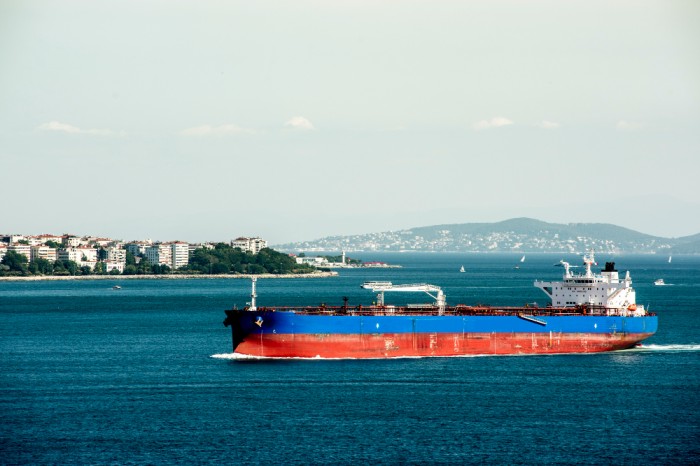
Recent US military actions targeting Iranian sites have reignited tensions in the Middle East, driving global oil prices back above the $100 per barrel threshold. This latest development has heightened concerns about potential disruptions in the Strait of Hormuz, a pivotal conduit for international energy trade. In response to reports of US strikes on missile launch sites and vessels allegedly involved in laying mines near this strategic channel, Brent crude prices have once again surged past the $100 mark.
Earlier optimism for a potential diplomatic resolution between the United States and Iran had briefly pushed oil prices below $100. However, persistent uncertainties and escalating tensions have reversed this trend, propelling markets upward. The conflict has already led to significant disruptions in oil exports via the Strait of Hormuz, and experts caution that the energy market may have reached a critical juncture. Even if a political agreement is eventually brokered, the lingering impact of supply shortages may not be easily mitigated.
Global oil stockpiles have significantly dwindled following weeks of diminished exports from Gulf nations. With the summer travel season looming, demand for fuel is expected to climb, exacerbating pressure on already constrained supplies. The International Energy Agency has issued a warning that global oil consumption might soon outstrip production, signaling a potential “red zone” for energy markets during the peak months of July and August.
Saudi Aramco, the state-owned oil company of Saudi Arabia, has reportedly cautioned that if the Strait of Hormuz remains obstructed or disrupted, the repercussions on oil supplies could extend well into the next year. Financial institutions and market analysts have also voiced apprehensions about low emergency oil reserves and insufficient gas storage levels in Europe, predicting that energy prices could remain highly volatile in the foreseeable future.
The impact of rising crude prices is already being felt by consumers worldwide, as fuel and energy costs escalate. In the United Kingdom, petrol prices have surged to their highest levels since the onset of the conflict, and households are bracing for substantial increases in energy bills due to elevated gas prices. This scenario underscores the broader economic challenges posed by ongoing geopolitical tensions and their ripple effects across global energy markets.