
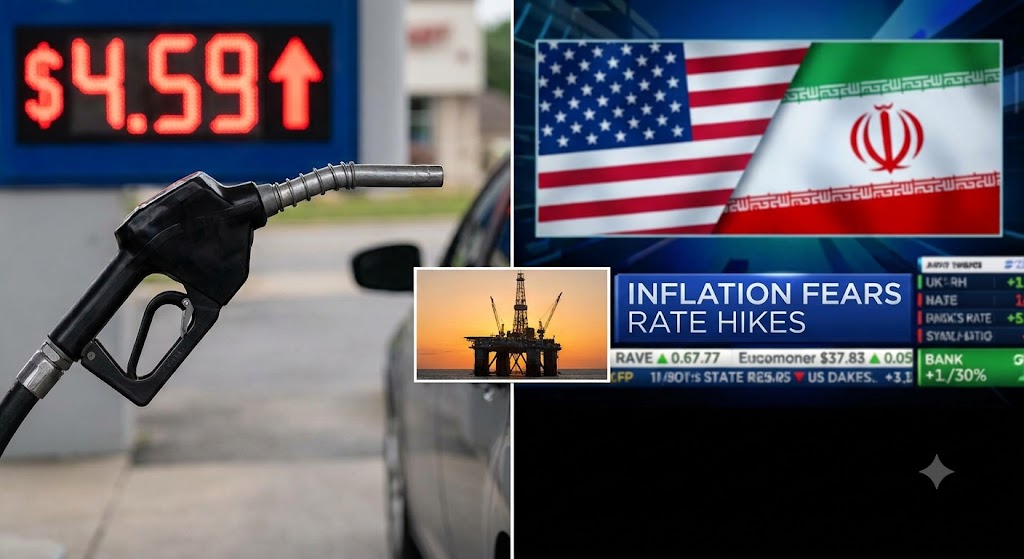
The latest military confrontations between the United States and Iran have sparked a rise in global oil and gas prices, stirring concerns over energy supply stability and inflation pressures. The price of Brent crude surged to its highest point in over a month before slightly receding. This fluctuation came after US President Donald Trump decided against a previously proposed 20% fee on ships navigating the strategic Strait of Hormuz, a critical artery for global oil transport.
The spike in energy prices has heightened expectations that central banks, such as the Bank of England and the European Central Bank, may consider raising interest rates later this year as a strategy to control inflation. This prospect of tighter monetary policy contributed to an increase in bond yields. Meanwhile, European stock markets initially experienced a downturn in response to the potential shipping levy but managed to bounce back as worries over the fee diminished.
Analysts are closely monitoring the situation, noting that persistent Middle East tensions could maintain volatility in energy markets. Such instability has the potential to significantly impact global inflation rates as well as influence the monetary policies of various central banks in the coming months.
As the geopolitical landscape continues to evolve, stakeholders are keenly aware of how these developments could ripple through the global economy. The strategic importance of the Strait of Hormuz underscores the interconnectedness of energy supply routes and economic stability, highlighting the need for careful navigation of international relations and economic policy.