
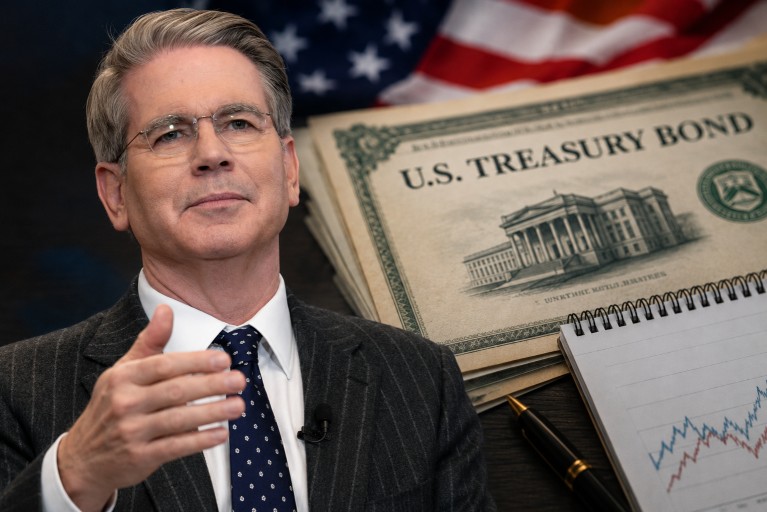
In a notable critique, billionaire investor Stanley Druckenmiller has expressed skepticism toward US Treasury Secretary Scott Bessent’s strategy to mitigate long-term bond yields through expanded government debt buybacks. Druckenmiller contends that the focus should shift towards reducing the burgeoning budget deficit, rather than trying to manipulate bond market prices.
Druckenmiller, a prominent figure in the investment community, emphasized that implementing sustainable fiscal reforms would be a more effective approach to curbing long-term borrowing costs. His remarks come in response to the Treasury’s recent decision to increase the cap on bond buyback operations from $2 billion to $4 billion. Although this move initially succeeded in lowering long-term yields, the impact was fleeting, prompting further debate over its effectiveness.
As the US national debt balloons to $40 trillion, with the annual deficit expected to maintain its upward trajectory, Druckenmiller’s recommendations carry significant weight. He has urged policymakers in Washington to adopt credible fiscal strategies to tackle the escalating costs of borrowing. His argument underscores the need for a long-term vision in addressing the nation’s fiscal challenges.
The Treasury’s decision to expand its bond buyback operations was initially met with optimism, yet the ephemeral nature of its impact on yields has led to increased scrutiny. Druckenmiller’s call for robust fiscal reforms highlights a broader concern among economists and investors about the sustainability of current financial practices amid rising debt levels.
In light of these developments, the dialogue around US fiscal policy continues to evolve, with Druckenmiller’s insights serving as a reminder of the complexities involved in managing the national debt and budgetary deficits. As the discourse unfolds, the focus remains on finding effective solutions to ensure economic stability and growth.